Trump Orders TSA Back Pay as Government Shutdown Continues
Trump signed an executive order to pay TSA officers back wages as shutdown absentee rates hit a record 11.83%, threatening airport security nationwide.
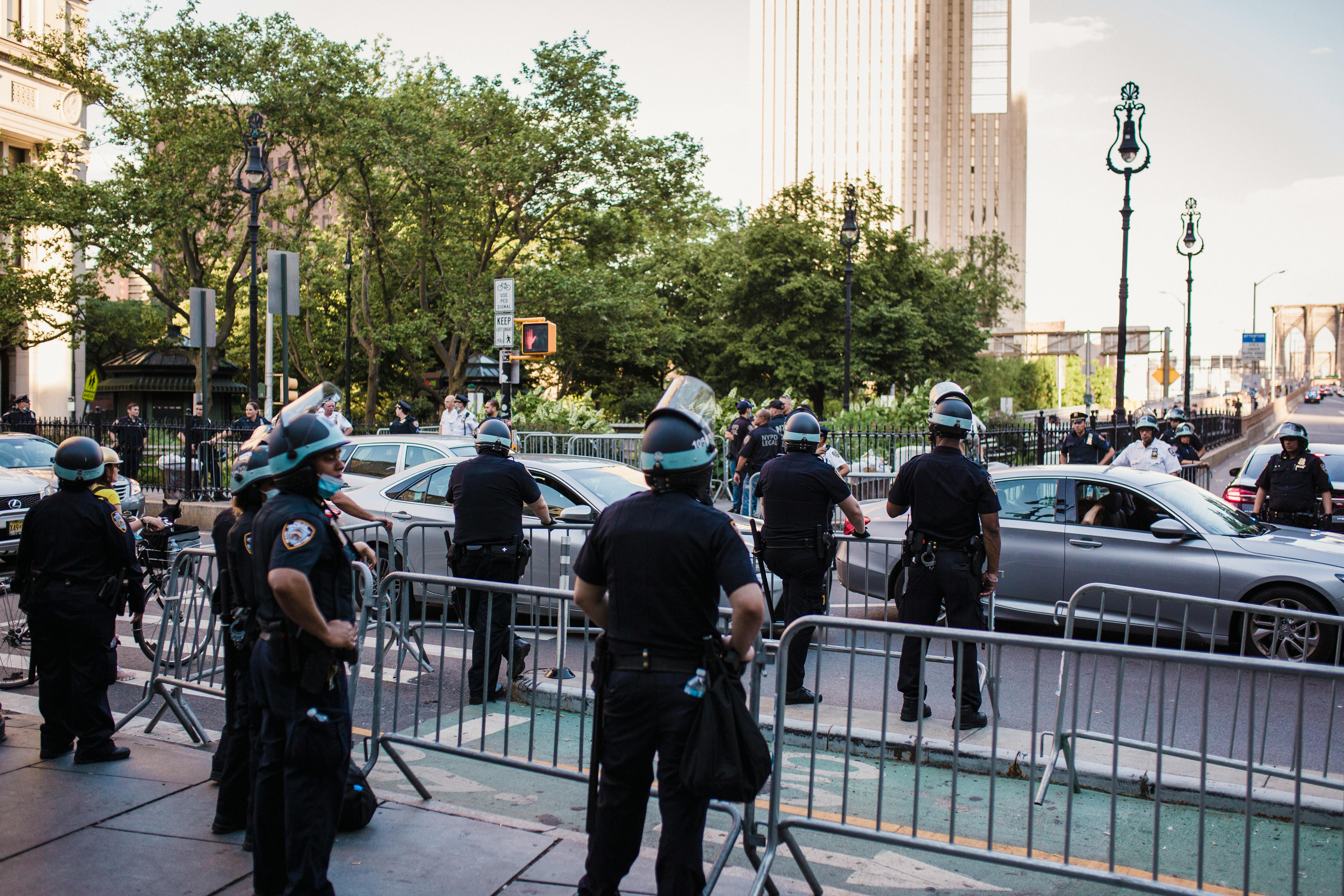
The federal government shutdown entered a new phase Friday as President Trump signed an executive order directing the Department of Homeland Security to pay TSA officers their back wages immediately. The move came after airport security staffing hit a crisis point, with absentee rates reaching a record 11.83% on Thursday as officers skipped shifts they weren’t being paid to work.
The order buys some relief at airport checkpoints, but it doesn’t end the shutdown itself. Travelers at SFO and other Bay Area airports had been bracing for longer lines and potential delays as the absentee numbers climbed. TSA workers staying home to find paying work elsewhere is a predictable consequence when the government stops issuing paychecks, and Thursday’s numbers made that math impossible to ignore.
Closer to home, NASA’s Ames Research Center in Mountain View played a central role in preparing the Artemis II mission, which is scheduled to launch April 1. It will be the first crewed lunar mission in more than 50 years. Ames researchers contributed to the systems work that made the mission viable, adding another chapter to the facility’s long history of quietly underpinning some of NASA’s most ambitious programs. For a center that has faced repeated budget threats over the years, Artemis II is a moment worth marking.
San Francisco’s District 6 supervisor race turned messy this week. Jane Kim, former D6 supervisor and current candidate for state insurance commissioner, filed a police report Thursday against state Senator Ben Allen, a fellow candidate in the race. Kim says a man hired by Allen’s campaign illegally trespassed into her apartment building, waited four hours, and served her with a court summons. Allen’s campaign has not publicly addressed the allegation. The incident raises serious questions about how aggressively campaigns are willing to push legal boundaries to gain advantage in a competitive race.
In San Jose, a group of parents filed a formal complaint Friday against the school district, one day after the school board voted to close five elementary schools. The closures reflect the kind of painful budget reality hitting school districts across California, but that context doesn’t make the outcome easier for families suddenly facing longer commutes or school transfers for their kids. Expect the complaint to be the first of several legal and political challenges before these closures move forward.
The Bay Area’s political moment is part of a much larger national picture. Millions of people turned out Saturday for “No Kings” rallies across the United States, with sister demonstrations spreading to cities across Europe and Australia. In San Francisco, demonstrators gathered to push back on what organizers described as an executive overreach and a broader erosion of democratic norms under the current administration.
This article draws on reporting from Sfist.
That theme carried into the arts as well. Joan Baez and Jane Fonda joined a rally Friday outside the Kennedy Center in Washington under the banner “Artists United for Our Freedoms.” The gathering was a direct response to Trump’s takeover of the center’s leadership and programming, which critics say has silenced artists who refuse to align with the administration’s political preferences. That two figures with Baez’s and Fonda’s history of political activism showed up together signals the arts community is treating this as a serious fight.
On a lighter note, a Silicon Valley startup is running a robot pilot on Treasure Island that could change how EV drivers handle charging. Instead of circling for an open charging station and waiting, the robot comes to the driver’s car while it sits in queue and begins charging it there. The concept attacks one of the more frustrating friction points in EV adoption, especially in dense urban areas where chargers are scarce. The Treasure Island test is early-stage, but if the numbers hold up, it’s the kind of practical solution that tends to move fast in a market hungry for it.
The week left Bay Area residents tracking a federal funding crisis, a city council race turning contentious, a rocket about to head toward the moon, and a robot charging their Teslas. That’s a fairly representative sample of life here in spring 2026.
Get The Weekly Download
Top stories from San Francisco Download in your inbox. Free.